We explored the use of coding in classrooms. Our biology group came to the conclusion that coding sounds interesting to use but we all don’t have enough experience yet to know how it could be used. We have used R in our ecology type classes for various statistics and graph creation, but we walked away from it with a slightly negative view of R. For myself, I know that it was due to a lack of scaffolding, so maybe a slower introduction and support throughout could have made my R experience more pleasant. Still, that steered me away from coding for awhile. Recently, I’ve been encouraged to explore coding again and I have gained some enthusiasm for exploring coding again after seeing some interesting TikToks and hearing about projects from friends. I want to try out Scratch or a similar program to see if it could be useful for modeling or exploring concepts in sciences. There is no coding aspect in the life sciences as far as I’ve seen, so it may be a stretch to spend more than a two or three days on this skill. I found this helpful webpage titled Teachers’ Essential Guide to Coding in the Classroom. The writer encourages teachers to use coding in any subject area and any age, as young as 5 years old. They suggest showing students the Hour of Code for inspiration. There is also a link to several coding tools for high school. PBS has links to useful videos as well. CodeBC also has several resources and a free online lesson.
___________________________________________________
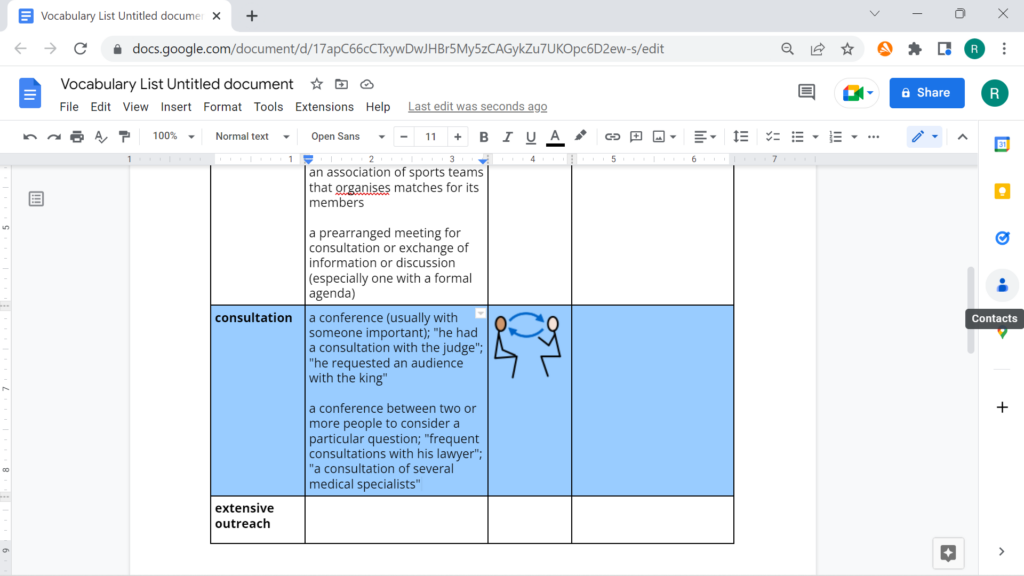
Google Read and Write seems to be very useful for the classroom. I just added the extension and create a vocabulary list from a paragraph on a google doc. The new document did not take into account the two colours I highlighted words in. It also did not give a definition if I highlighted two words at once.
Leave a Reply
You must be logged in to post a comment.